
How NZICA marked a century by planting a thousand trees that will outlive everyone who touched them
The valley woke at half past seven
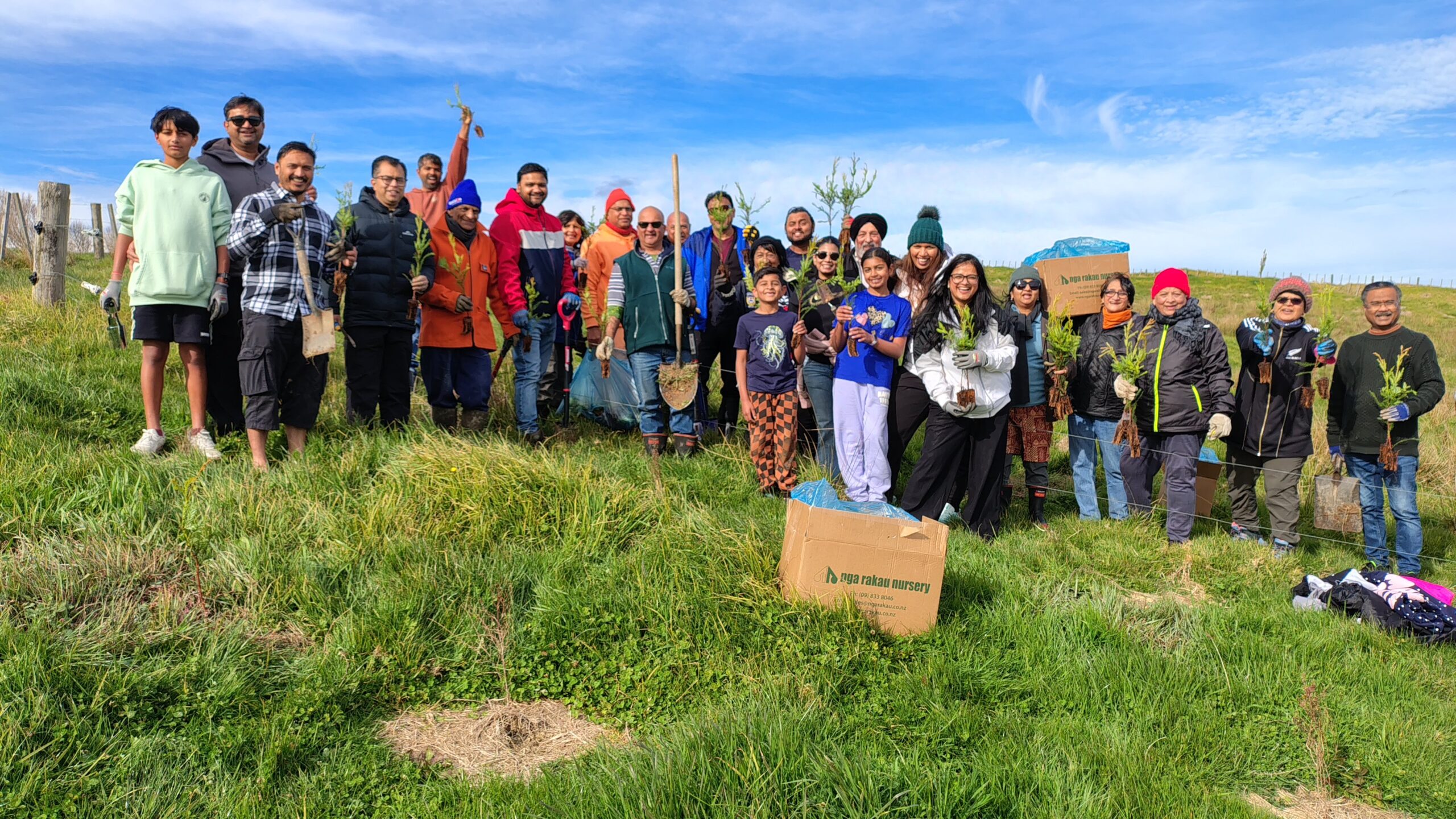
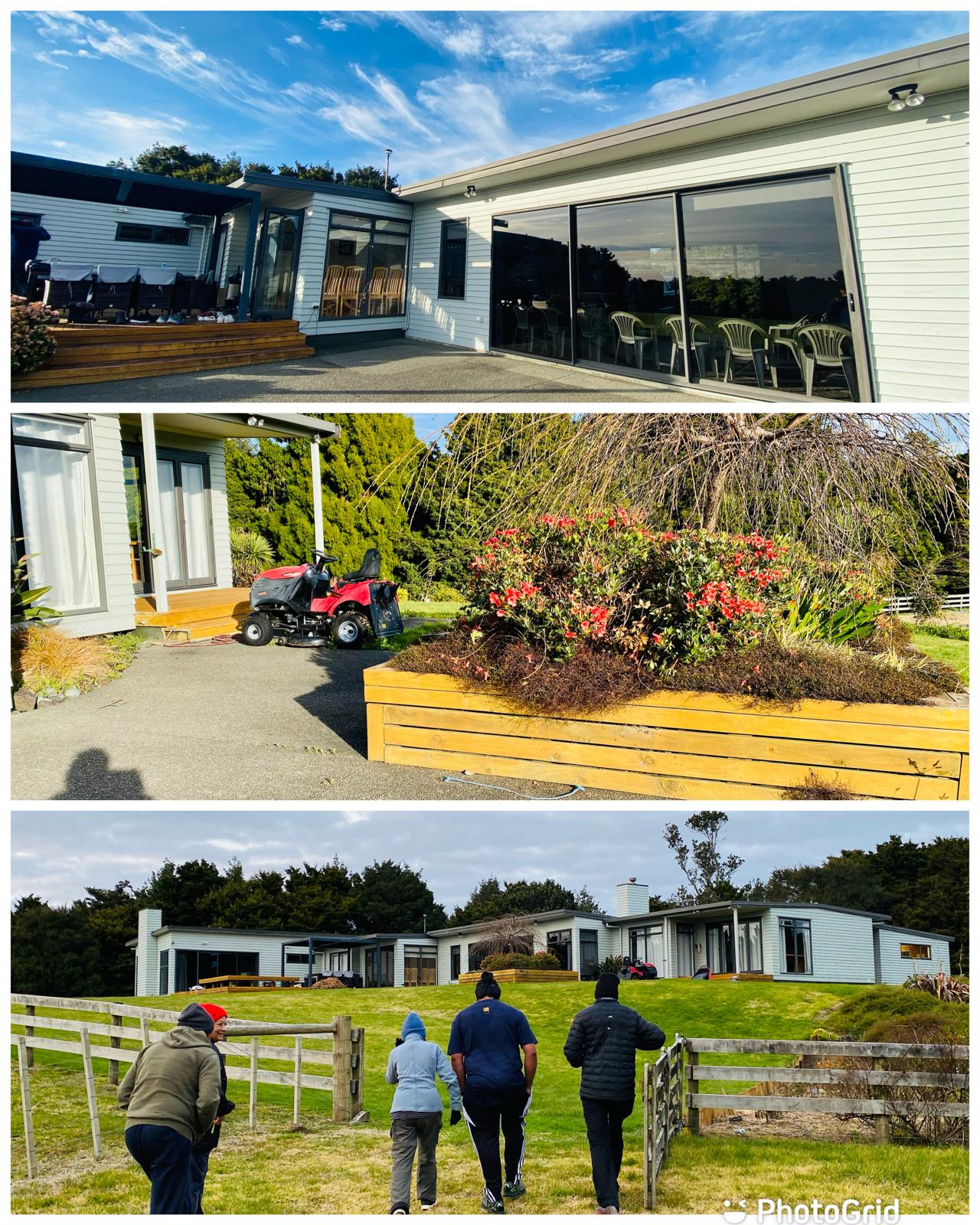
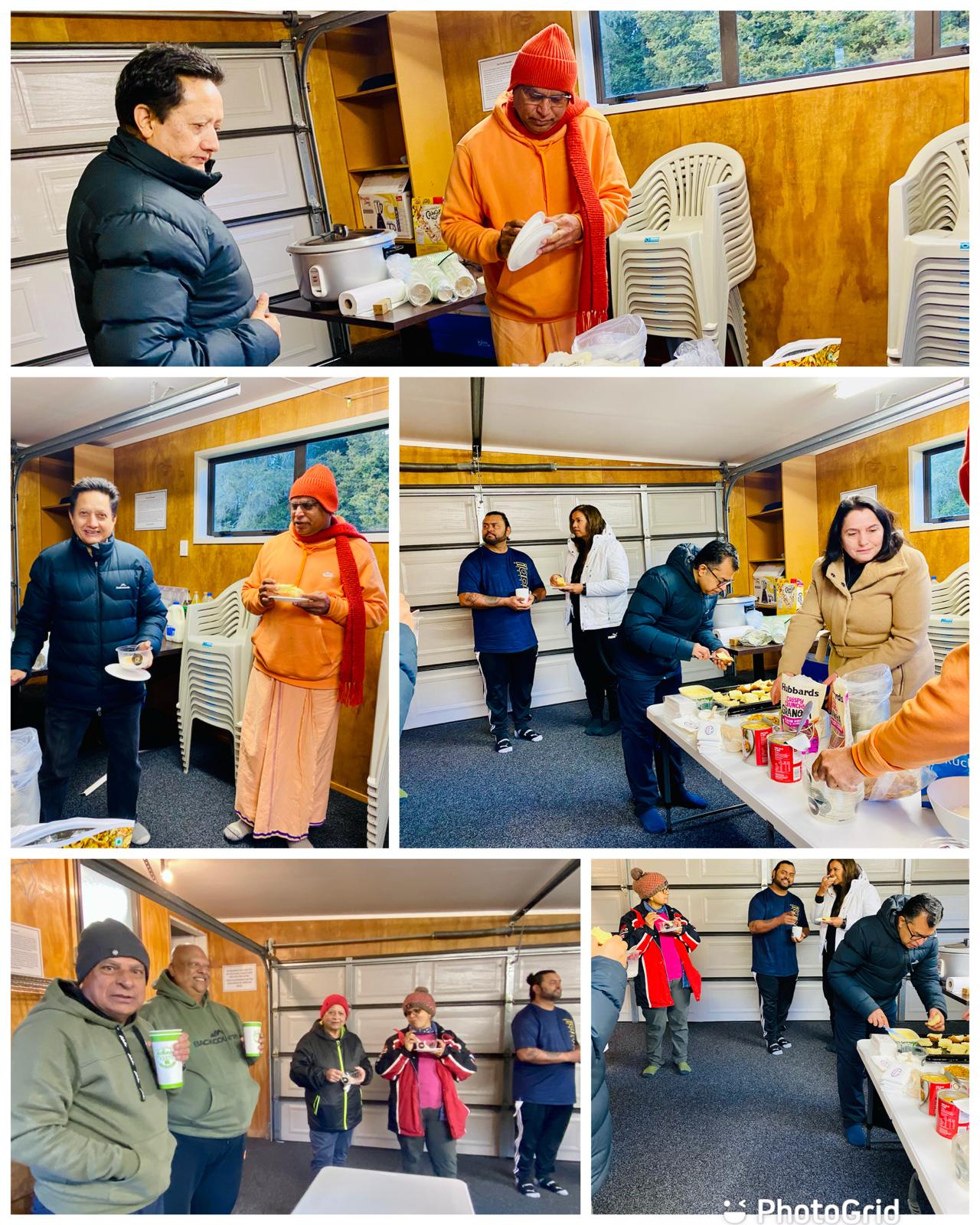
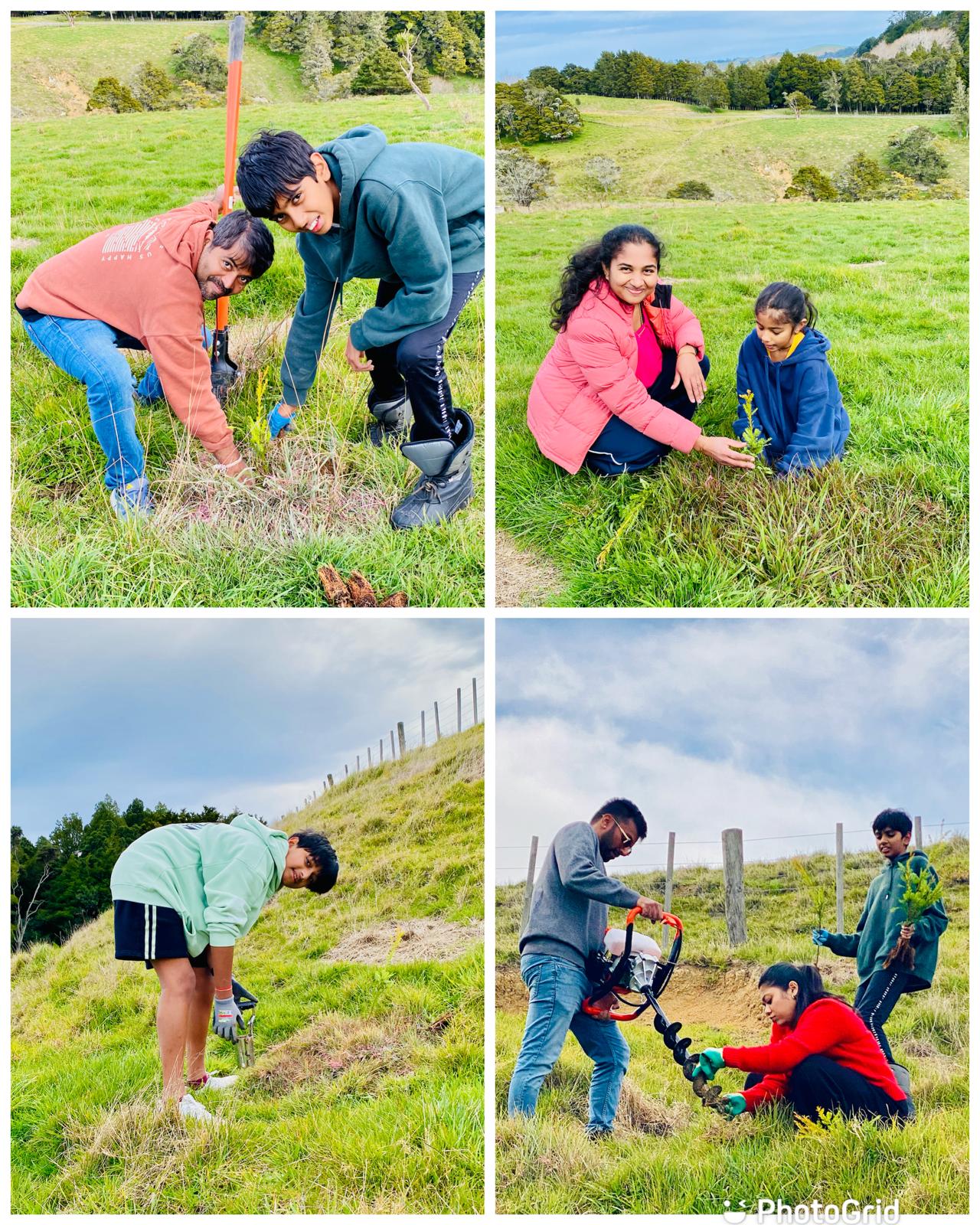
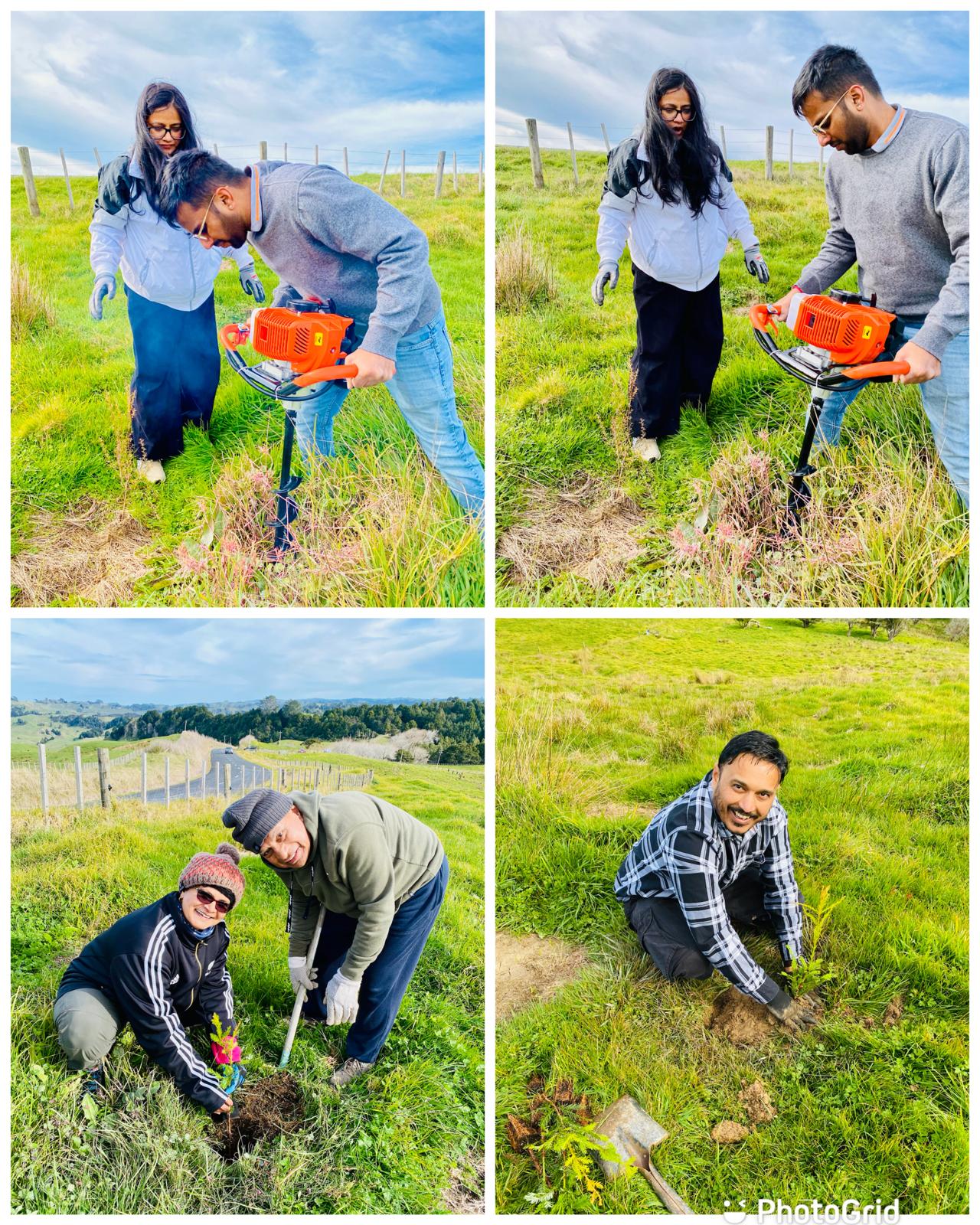
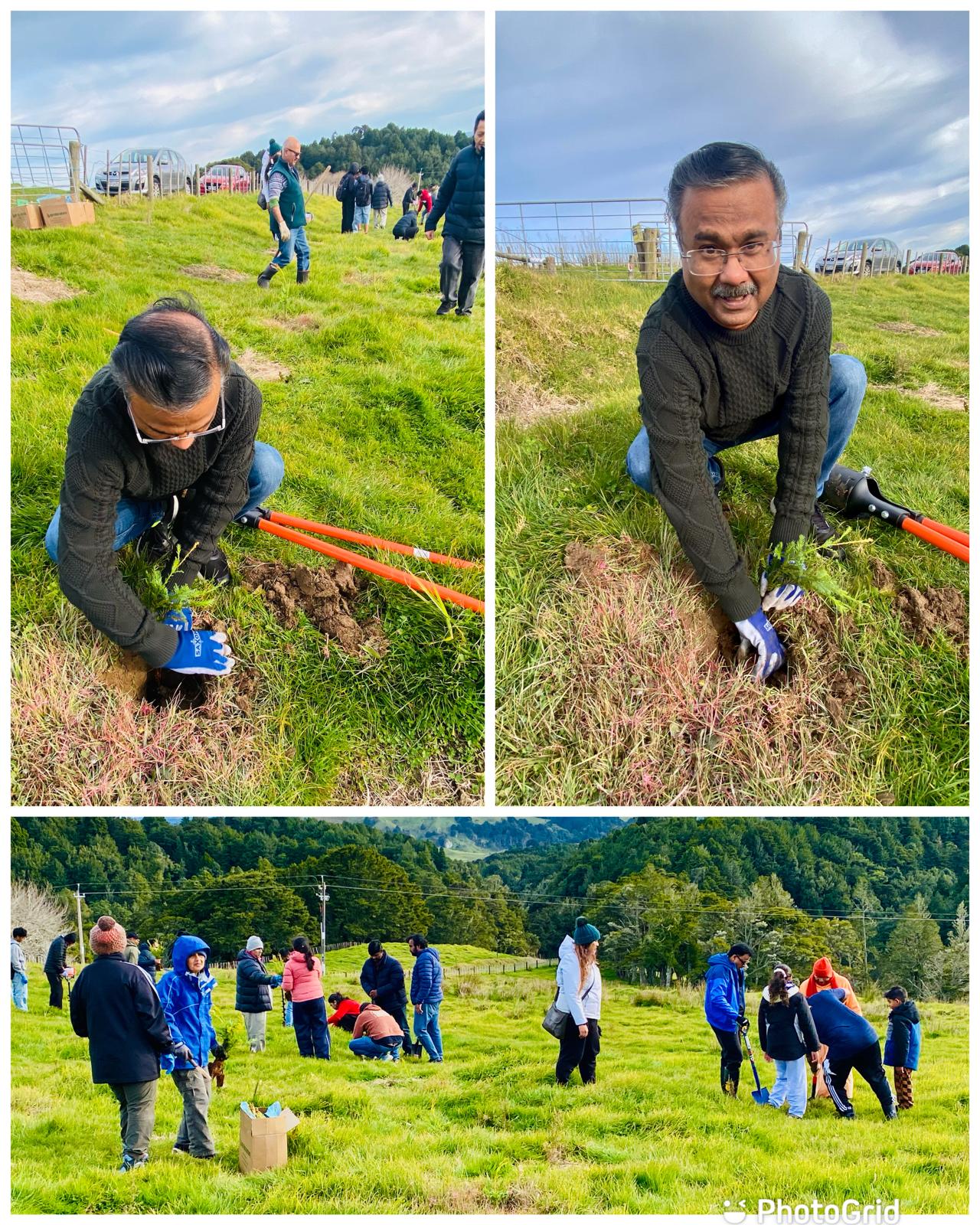
There is a quality to a Waikato winter morning that no photograph has ever held. Mist pools in the gullies and lies there, patient and pale, until the sun finds the courage to lift it. On Saturday 8 August 2026, at 166 Waikaretu Valley Road, Glen Murray, that morning did not belong to the silence. Utes and station wagons came nosing down the metal road from Tuakau, Pukekohe, Hamilton and Auckland's southern edge. Somebody's aunty handed out gloves she had bought in bulk. Somebody's uncle insisted, against all evidence, that he did not need his walking stick. Steam rose off the breakfast urns, and waiting on the site — already delivered, already counted — were one thousand redwood seedlings, barely knee‑high, soft and fern‑green, stems no thicker than a finger. You would not have guessed you were holding the tallest living things this planet has ever grown.
What a redwood actually is
To plant a redwood is to make a promise you cannot personally keep. Sequoia sempervirens holds the world record for height — the tallest known individual, Hyperion, stands at some 116 metres, taller than any cathedral spire ever raised in Europe. The second half of its name is the part that ought to stop you: sempervirens, ever‑living. These trees routinely pass two thousand years. Their bark grows thirty centimetres thick, tannin‑soaked, so that fire scorches but rarely slays them. Cut one down and it does not simply die — it sprouts a ring of clones around the stump, a family standing in council around the memory of the tree that made them.
The secret is underground
A redwood has no taproot. A tree weighing hundreds of tonnes stands on roots reaching barely three or four metres down. By every rule of engineering it should topple in the first serious gale. It does not, because redwoods do not stand alone. Their roots run outward thirty metres and more, and they interlace — physically braiding themselves into their neighbours. A grove is a single stitched fabric of anchorage; each tree is held upright by the ones around it and holds them up in return. Leave one giant standing alone and the next storm will take it. They survive for millennia for one reason. They hold on to each other. You could search a hundred years and not find a better emblem for what a diaspora community is, and does, and must keep doing.
Why Aotearoa is the most generous home a redwood ever found
Here is a fact that startles New Zealanders and quietly outrages Californians: redwoods grow faster here than in the land that made them. In 1901, a nervous young colony planted some 170 exotic species at Whakarewarewa near Rotorua to see what might replace the kauri and tōtara it was busily felling. Most disappointed. One was a revelation. Rich volcanic soils, high rainfall, a long mild growing season and none of the pests that trouble them at home — the redwoods took to the Bay of Plenty as though they had waited centuries for the invitation. The largest tree in that grove now stands around 72 metres tall after roughly 125 years; in California, trees of that stature are commonly several times the age. Today redwood is taken seriously here as timber and as a carbon reservoir, dense wood laid down fast and held for centuries. An immigrant species that put down roots in generous soil, grew taller than it ever had at home, and gave back more than it took. Hold that thought.
A hundred years of holding on
The New Zealand Indian Central Association was formed in 1926 with three branches — Auckland, Wellington, and the Country Section at Taumarunui. That same year, the White New Zealand League was formed at Pukekohe to agitate against Indian and Chinese market gardeners who had the temerity to work hard and succeed. NZICA was not born into a welcome; it was born into a headwind. What followed was a century of patient, unglamorous, deeply effective work: petitions, deputations, test cases, campaigns on immigration, citizenship and trading rights, and the slow grind of persuading a country to change its mind about its own citizens. In the 1980s it even served as a bridge between governments during diplomatic strain with India. Today it is the only national Indian organisation in New Zealand, an umbrella over regional and cultural associations from Auckland to Taranaki, speaking for well over 350,000 people. From three branches and a headwind, to a canopy over a third of a million. The tree metaphor is not decoration — it is an accurate description of what happened.
What a centenary is for
The centenary opened on 28 February 2026 at Cordis Auckland, with the Prime Minister, Ministers, Mayor Wayne Brown and India's High Commissioner Dr Neena Malhotra in the room, a commemorative film, and Vande Mataram danced by students. A hundred years is the outer limit of living memory. A centenary asks three questions: who were we, who are we now, and who will we be. A gala dinner can answer the first two. The third can only be answered by doing something that does not finish — by making a gift to people you will never meet.
Sixteen thousand six hundred, and counting
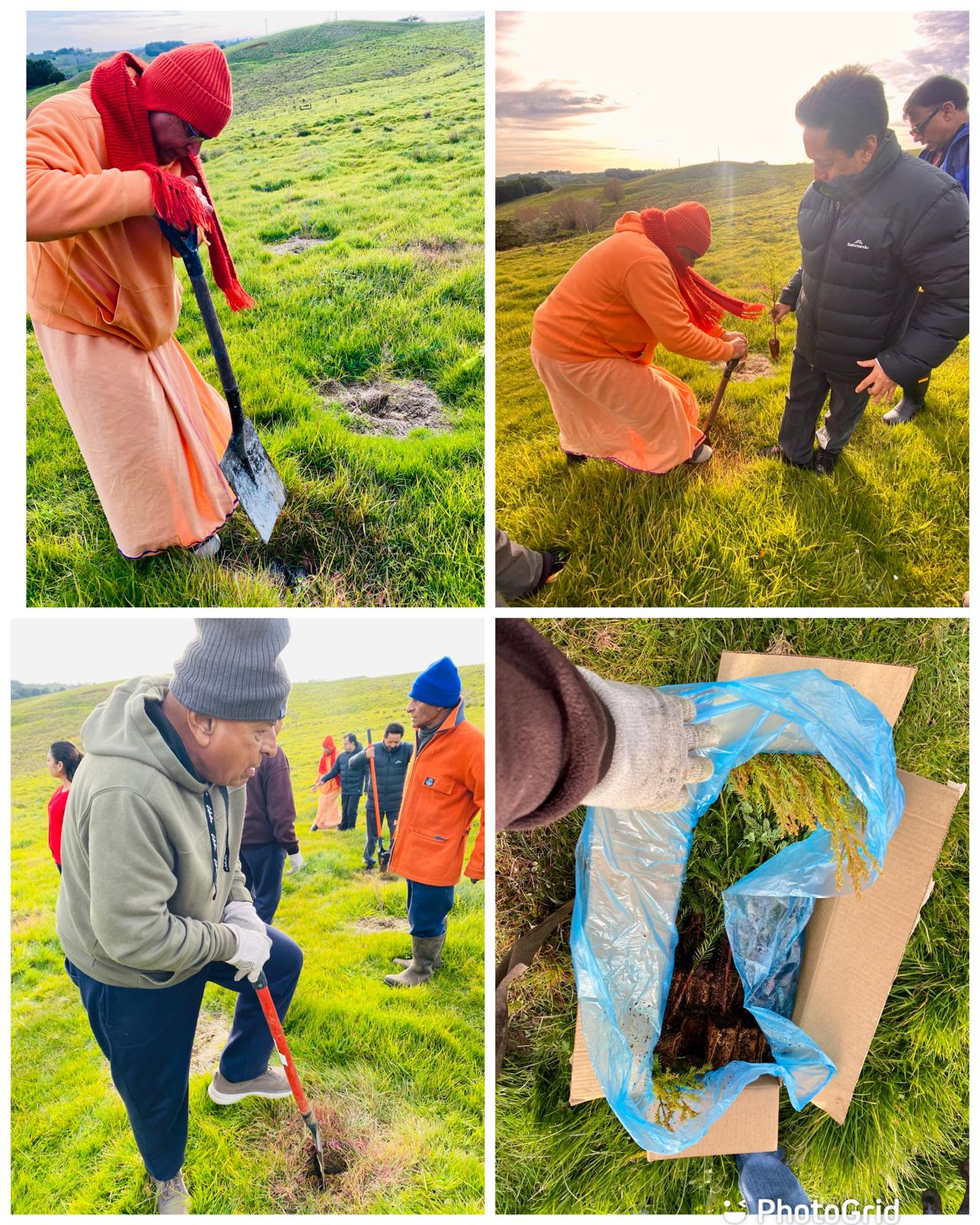
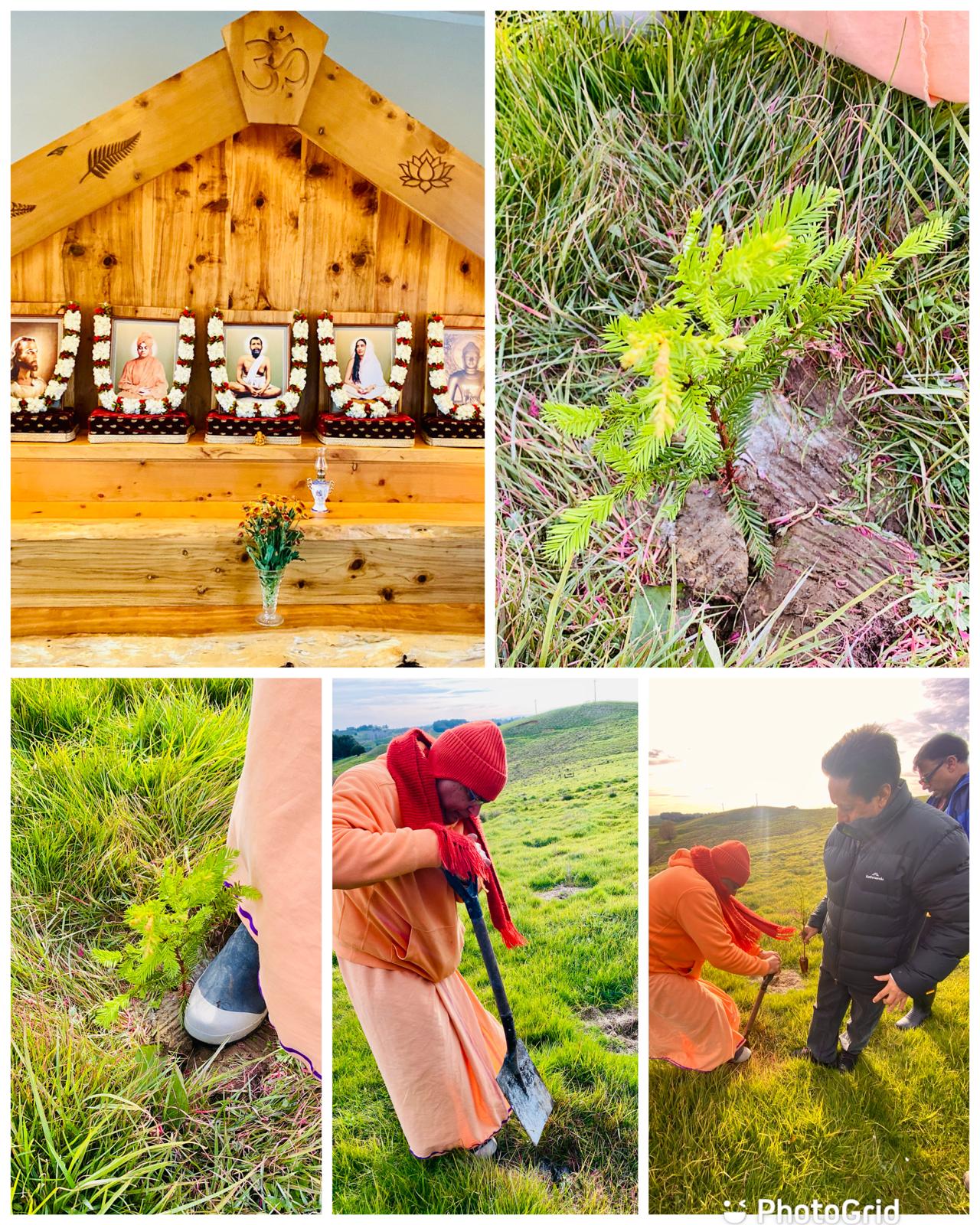
NZICA did not start a project at Waikaretu; it joined one. The restoration effort there had already put 16,600 trees into the ground — years of somebody's weekends, diesel and aching back. The Association's thousand redwoods lifted the tally toward 17,600. Ten trees for every year of its existence. Ten for 1926. Ten for the year somebody's grandmother finally had her family reunification approved.

Why the elders went first
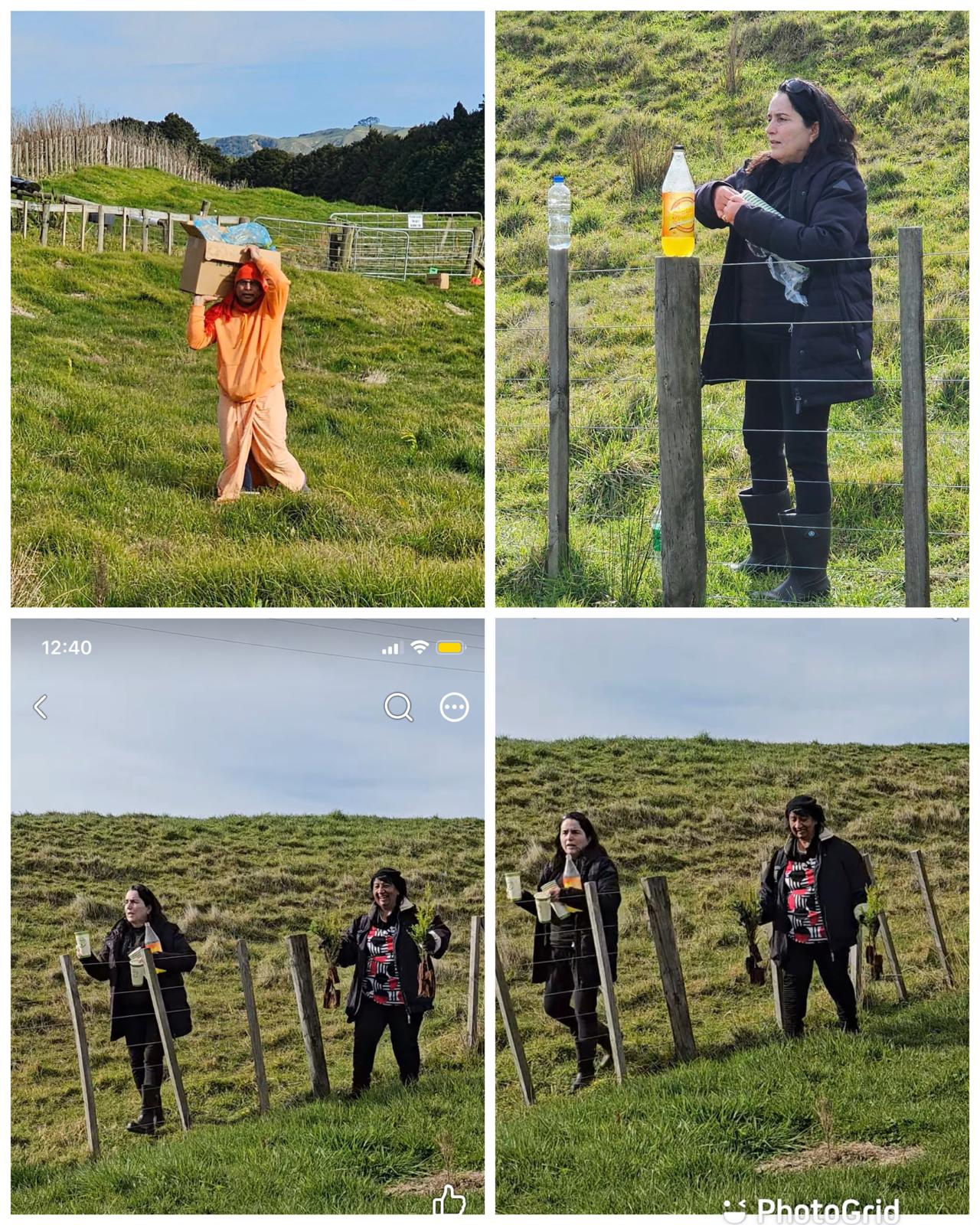
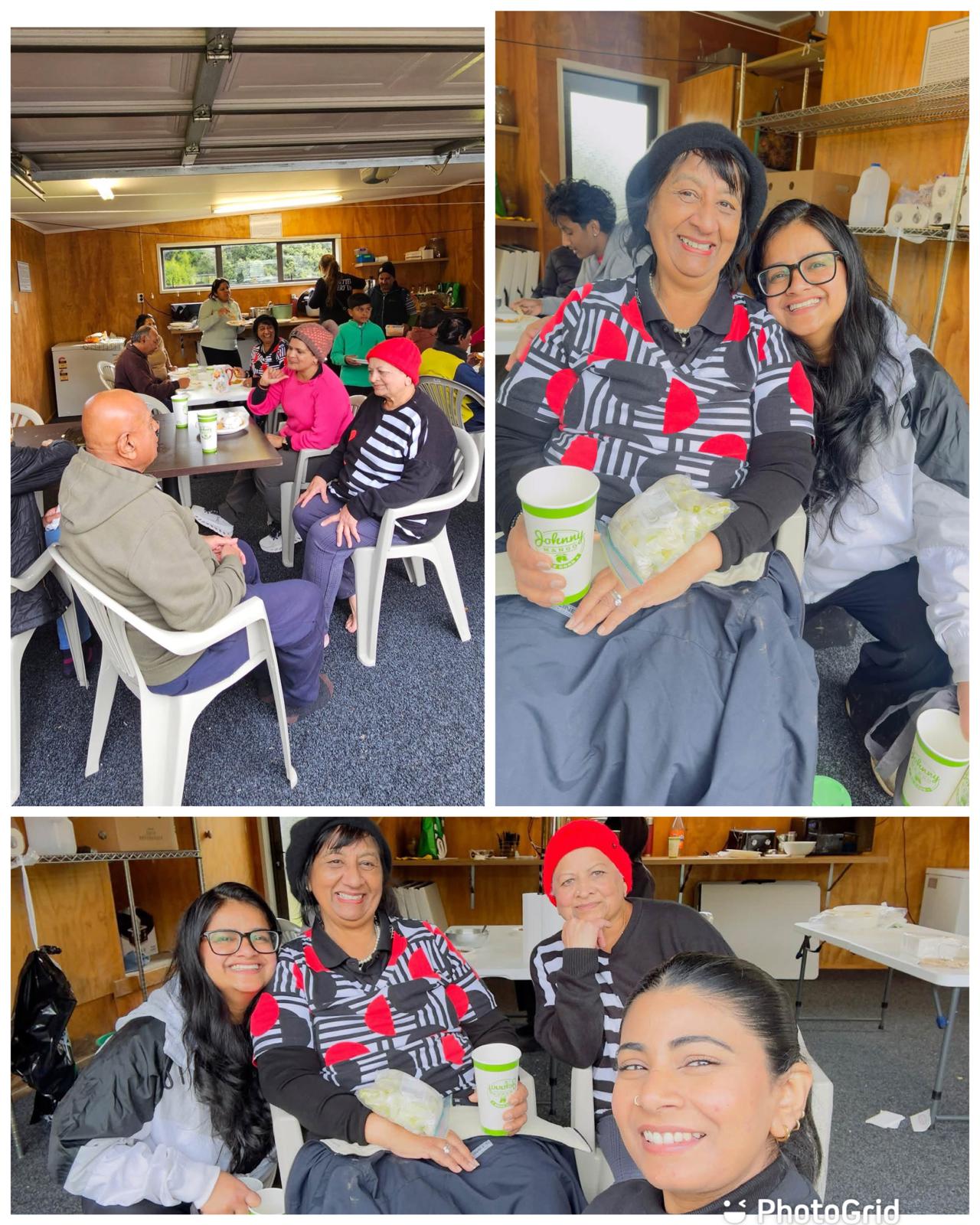
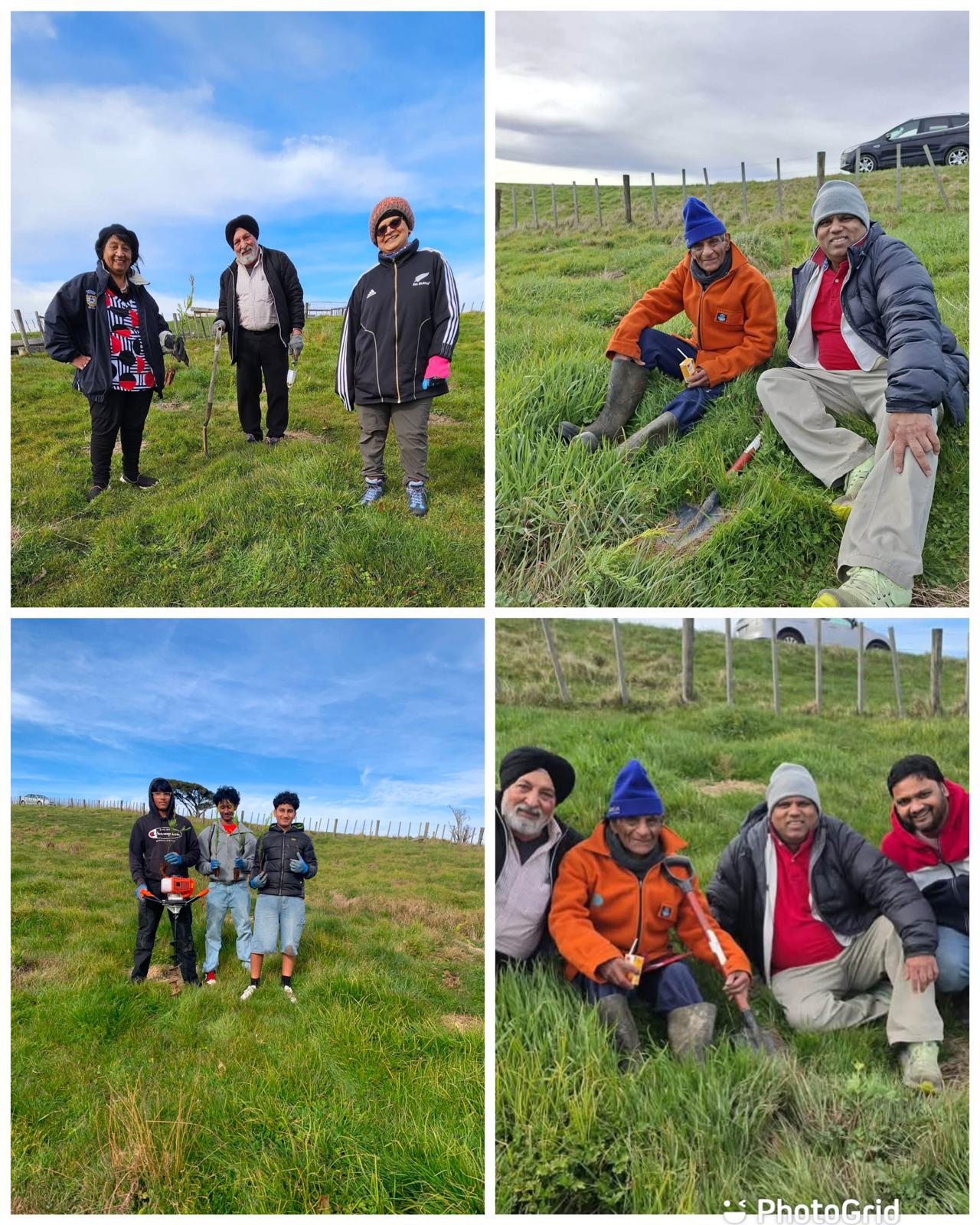
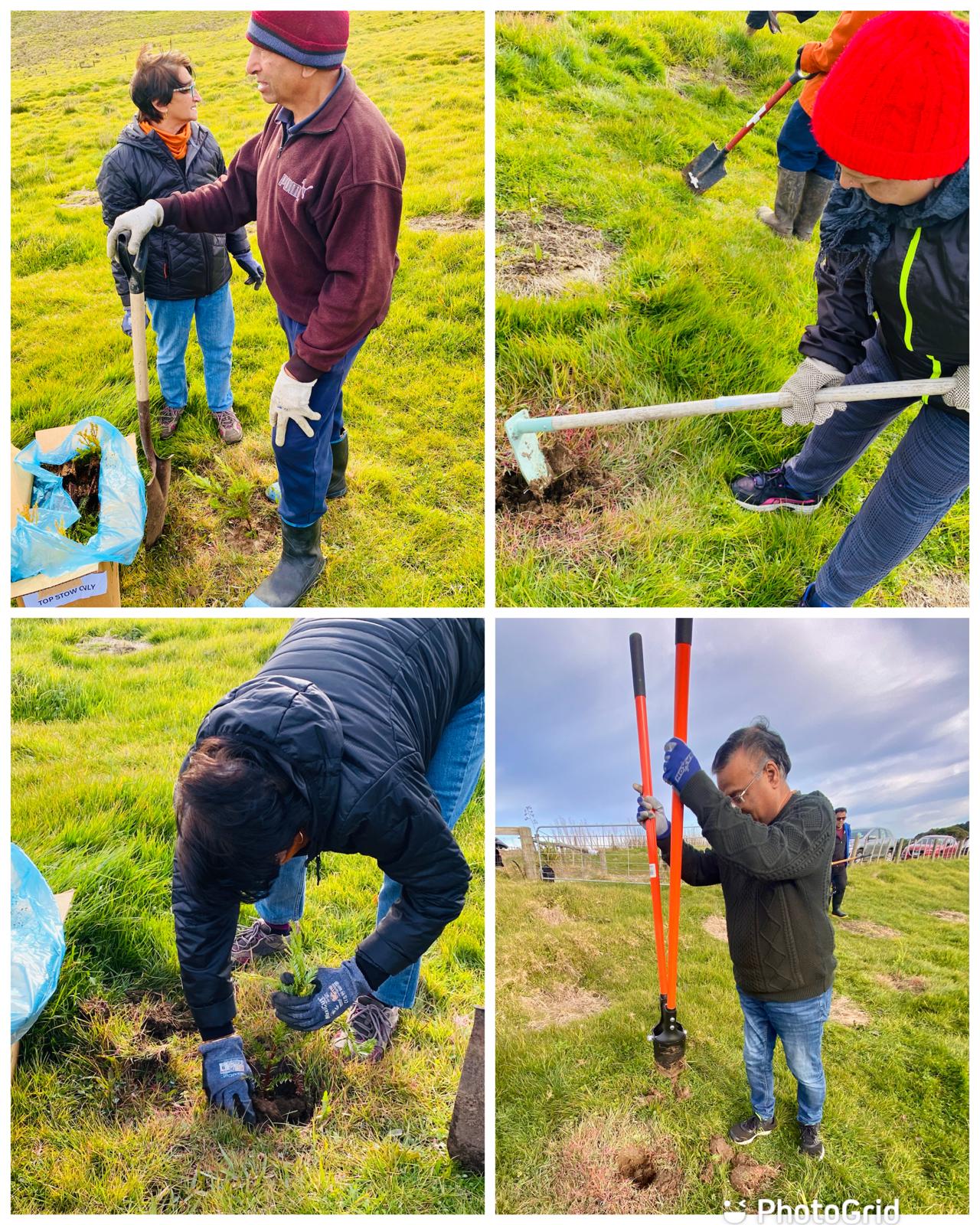
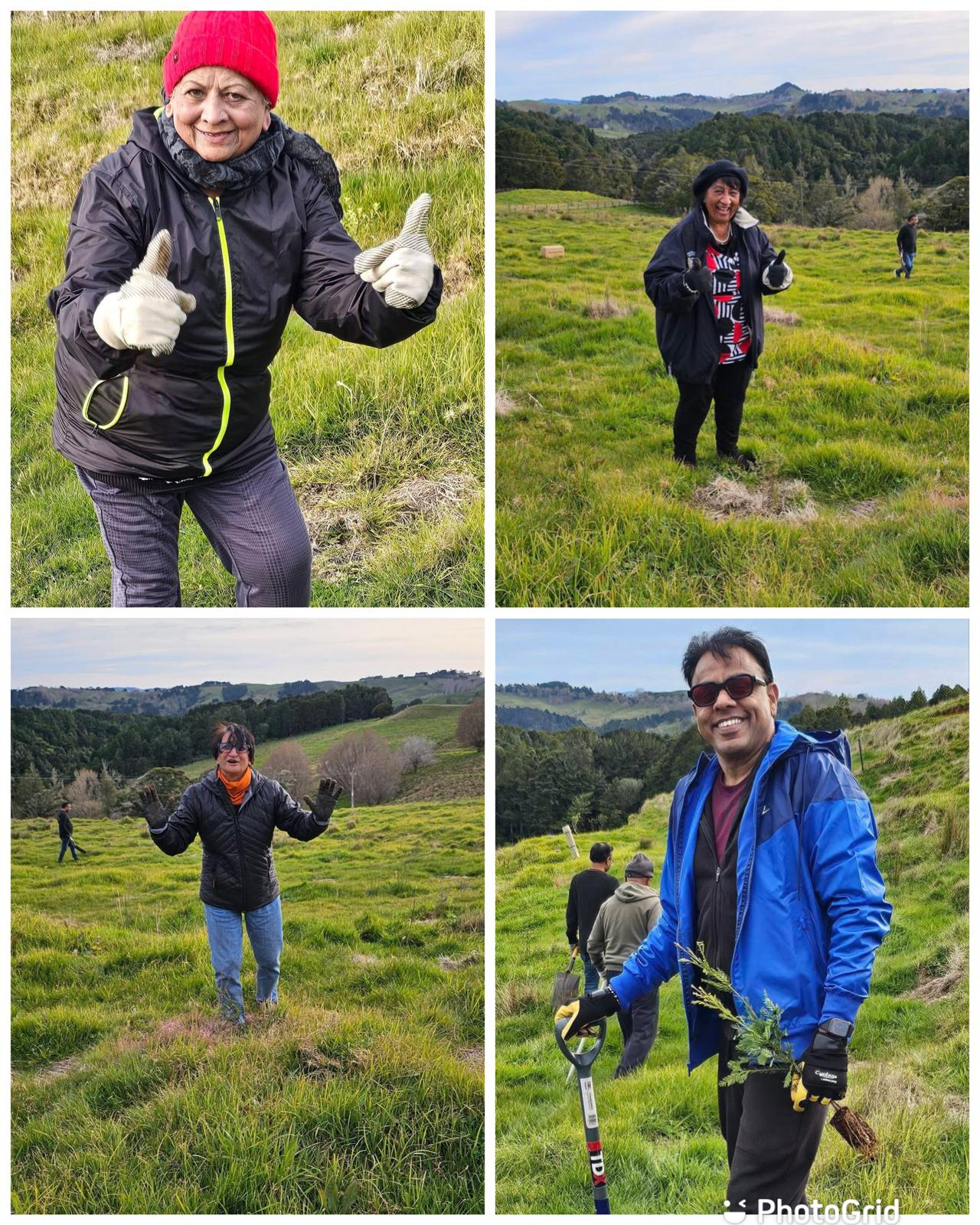
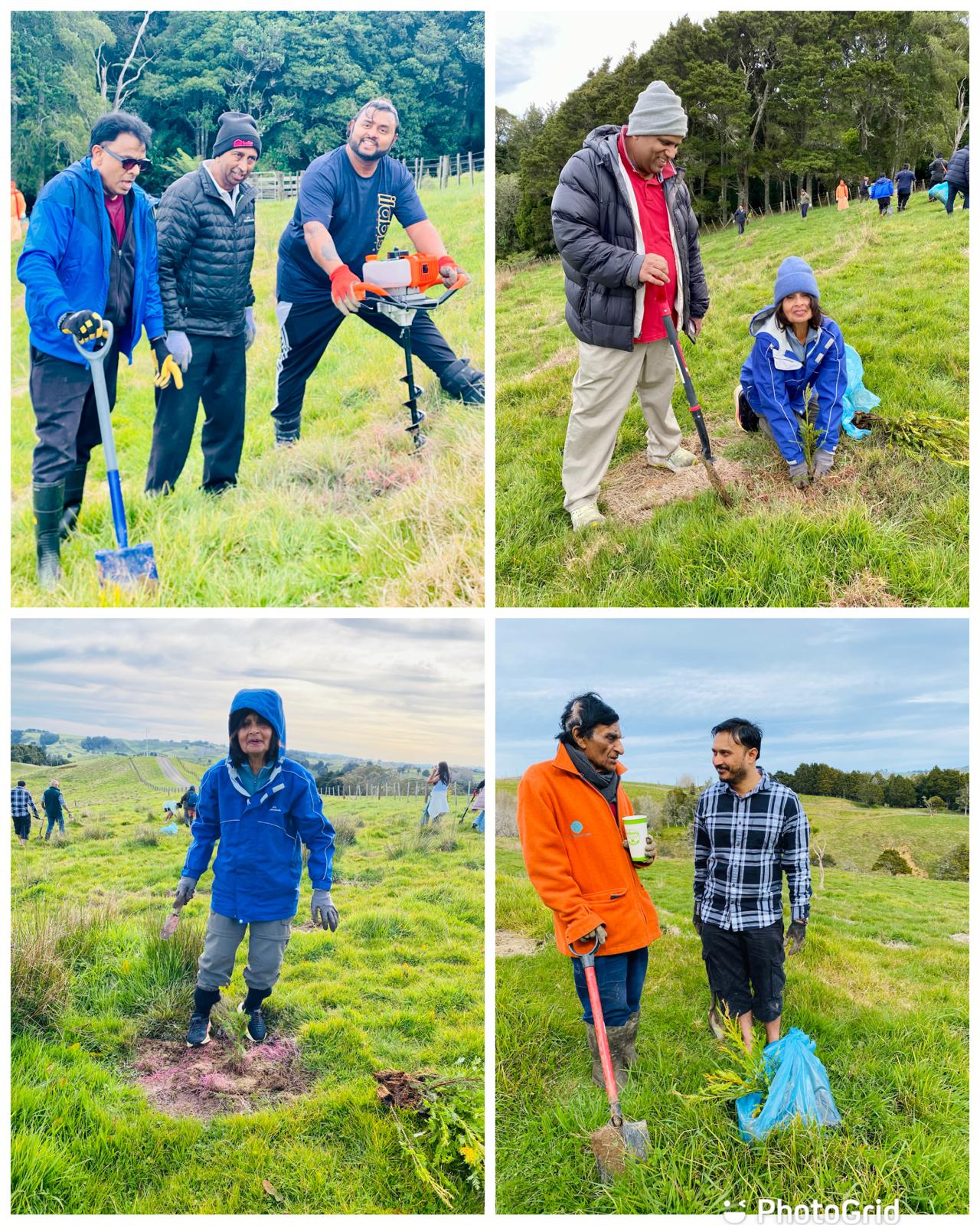
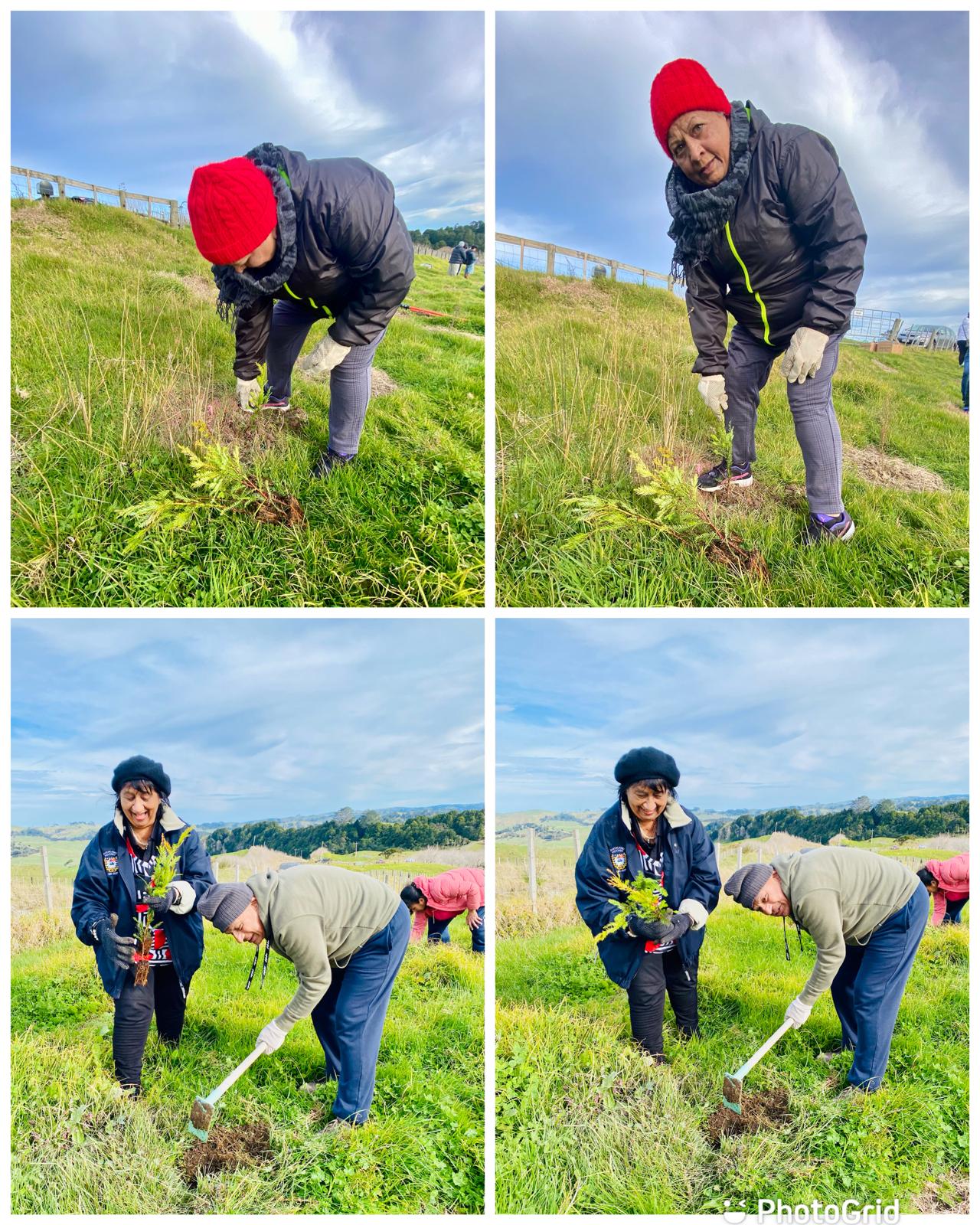
The invitation had made a point of welcoming seniors, and it was the emotional core of the day. There is something almost unbearable about asking someone in their eighties to plant a tree that will not reach its glory for eight hundred years. No one plants a redwood at eighty‑five for the shade. But these were the right hands. They came as children on ships, ran the fruit shops and the gardens, filled out the forms, stood in the queues, built the halls and mandirs and gurdwaras, raised doctors and engineers and MPs. They had been planting trees they would never sit under their entire lives. On Saturday, someone simply made it literal and handed them a spade. Beside them knelt grandchildren who got their hands filthy and heard this one is ours — words they will carry for the rest of their lives.
The shape of the day
Breakfast in the cold, far too much of it. Borrowed spades, gumboots, one pair of white sneakers that will never be white again. Sore backs by ten, second wind by eleven. Waikato clay that does not brush off but must be negotiated with. Teenagers who came under mild duress and stayed because it turned out to be satisfying. And that thing which happens on a planting day and almost nowhere else: several hundred people all facing the same direction, hardly talking, the only sounds spades in wet ground and wind over the ridge. A century of committee meetings, and this may have been the most eloquent hour the Association ever spent. By early afternoon the last seedling was in, a speech ran too long, everyone forgave it, and the mist came back down off the hills the way it has for ten thousand years.
The trees are getting on with it
A decade from now, a plantation. Thirty years, a forest with a floor of soft needles. In 2126, when NZICA marks its bicentenary, a stand of tall timber and a photograph of people in raincoats, long gone, smiling, mud to the elbows. Underneath, out of sight, the roots will find one another in the dark and braid themselves together until the whole grove is a single held thing no storm can take down — because no tree within it is ever asked to stand alone. A community founded by people who survived by holding on to each other, marking a hundred years by planting a thousand trees that survive by holding on to each other. Some symbols must be constructed. Others simply wait for you in a valley, one thousand of them, in bags, in the cold, at half past seven in the morning.
NZICA held its Centenary Tree Planting at 166 Waikaretu Valley Road, Glen Murray, Waikato, on Saturday 8 August 2026, planting 1,000 redwoods at a site where 16,600 trees had already been established. Breakfast and lunch were provided. NZICA was formed in 1926 and remains the national umbrella body for Indian community associations across Aotearoa New Zealand.